Top 10 Biologic Drug Production Methods You Need to Know?
In the dynamic field of Biologic Drug Production, innovation drives success. According to Dr. Emily Stanton, a leading expert in biopharmaceuticals, "Understanding production methods is crucial for effective drug development." This statement emphasizes the importance of mastering distinct production techniques.
The complexity of biologic drugs necessitates a variety of production methods. These drugs, derived from living organisms, require precise and reliable manufacturing processes. Each method brings unique advantages and challenges. For instance, cell culture techniques can yield high product purity, but scalability remains a concern. In contrast, fermentation methods benefit from established practices but often face sterility issues.
Professionals in the industry must navigate these complexities. Their understanding directly impacts the quality of the final product. While strides have been made, there is always room for improvement. Continuous research is vital. Addressing challenges head-on fosters growth within the Biologic Drug Production landscape.
Overview of Biologic Drug Production Methods
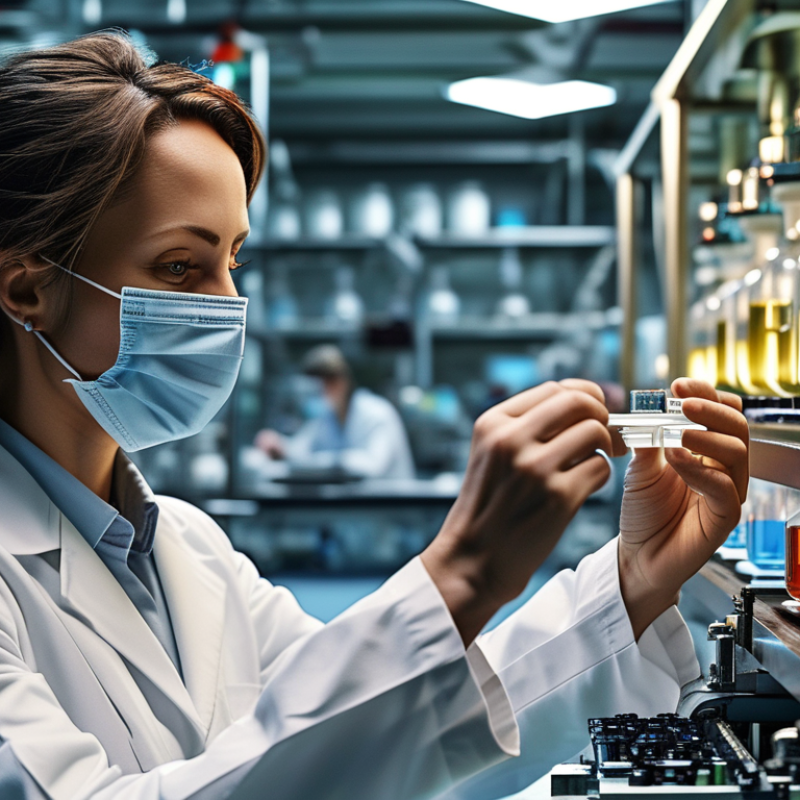
Biologic drug production involves complex methods to create therapeutic proteins and antibodies. These drugs are derived from living organisms. The process begins with cell line development, where specific cells are engineered to produce desired proteins. This phase is crucial and requires expertise in genetic engineering.
Another key method is fermentation. In this process, modified cells multiply in controlled environments, producing the biologic drug. The fermentation stage needs precise conditions for temperature and pH. Monitoring these factors can be challenging yet essential to achieve high yields.
Next comes purification. This stage aims to separate the biologic from other components. Various techniques, such as chromatography, are used to ensure the final product's quality. The purification process can be time-consuming and may result in losses. Each step in the production chain holds risks and requires constant evaluation to maintain efficacy and safety.
Top 10 Biologic Drug Production Methods
Fermentation Techniques in Biotherapeutics Manufacturing
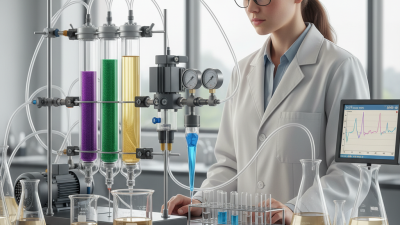
Fermentation techniques are crucial in biotherapeutics manufacturing. This method involves cultivating microorganisms to produce biopharmaceuticals. These organisms can include bacteria, yeast, or fungi. Each choice offers distinct advantages and challenges for production.
Controlling the fermentation environment is essential. Factors like temperature, pH, and nutrient availability can greatly influence yield and quality. Monitoring these variables requires specialized equipment and knowledge. Even small fluctuations can lead to subpar products, highlighting a critical area for improvement in biotechnological practices.
Despite advances, fermentation processes face limitations. One significant challenge is scaling up from laboratory to industrial levels. Maintaining consistency and efficiency in large fermenters poses difficulties. Additionally, contamination risks remain a concern. This necessitates ongoing research and innovation in fermentation technologies.
Cell Culture Systems for Producing Biologic Medicines
Cell culture systems play a crucial role in producing biologic medicines. These systems enable the growth of cells in controlled environments, making them an ideal choice for generating therapeutic proteins and other biologics. Understanding the specific requirements of each cell type can lead to improved yields and product quality.
Aseptic techniques are necessary to maintain the integrity of cell cultures. Using sterile equipment reduces contamination risk, thus ensuring reproducibility in production. Regular monitoring of glucose, pH, and oxygen levels can optimize cell growth, but these variables can be sensitive. It’s important to evaluate your methods constantly and adapt as necessary.
Selecting the right culture system also impacts the efficiency of biologic production. Suspension cultures work well for large-scale productions, while adherent cultures are suited for specific applications. However, not every method is flawless. Early-stage trials may reveal inconsistencies or unexpected behaviors in cell lines. Be prepared to revisit and refine your strategies along the way. Understanding these elements will contribute to the successful development of biologic therapies.
Protein Purification Methods for Biologics
Protein purification methods are crucial in the production of biologics. These techniques ensure that the final product is of high purity and efficacy. Common methods include affinity chromatography, ion exchange chromatography, and size exclusion chromatography. Each method has its unique strengths and limitations, and understanding these can help streamline the purification process.
Affinity chromatography is highly selective. It uses specific interactions between proteins and ligands. This method can yield high purity but may need to be optimized. Ion exchange chromatography separates proteins based on charge. It requires careful control of pH and ionic strength. Size exclusion chromatography is useful for removing smaller molecules. However, it might not provide sufficient purity alone.
Finding the right method can be challenging. It's essential to test different approaches. Each step in the purification process can introduce variables. Consider the sample origin, concentration, and intended use. Sometimes, a combination of methods is necessary to achieve optimal results. Reliability in purification is built over time. Regular validations and adjustments to protocols improve outcomes. Keep an open mind to modifications during the process.
Future Trends in Biologic Drug Production Technologies
The landscape of biologic drug production is shifting rapidly. Emerging technologies are crucial in shaping the future of this industry. One prominent trend is the utilization of continuous manufacturing processes. These methods allow for real-time monitoring and adjustments, enhancing efficiency. This approach can significantly reduce production times and costs while maintaining quality.
Another exciting development is the increasing use of cell-free systems, which streamline the production of proteins. These systems eliminate the need for living cells, minimizing contamination risks. They also promote faster and more flexible manufacturing. Companies can scale production based on demand without lengthy setup times.
Tips for success in this evolving field include investing in training for specialized skills. Having knowledgeable staff ensures that new technologies are utilized effectively. Additionally, keep an eye on regulatory updates; guidelines can impact production methods and timelines. Embracing change is essential, but not all approaches may yield expected results. Staying adaptable will be crucial as these technologies continue to evolve. The journey in biologic drug production is exciting but demands constant learning and reflection.