Therapeutic Protein Engineering is reshaping how companies improve the medicines made from proteins. Teams alter amino-acid sequences, test candidate molecules, and measure binding, stability, and biological activity. A promising design must also remain manufacturable. Small changes can affect how a protein folds or behaves in solution. The details matter.
The commercial context is expanding. The IQVIA Institute’s Global Use of Medicines 2024 report projects worldwide medicine spending will reach $2.3 trillion by 2028. That forecast covers all medicine types, not therapeutic proteins alone, so it should not be mistaken for a protein-engineering market estimate. Still, it signals the scale of investment surrounding drug development. Frances H. Arnold, a pioneer of directed evolution, has summarized its practical spirit: “Let’s just let evolution do the work.” Her approach helps explain why iterative testing remains important alongside computational design.
This 2026 overview examines companies building or applying protein-engineering capabilities, from sequence design to laboratory validation and scale-up. It considers technical depth, evidence of performance, and the ability to support development beyond a striking prototype. A polished presentation is not proof of clinical success. Nor does one strong platform answer every therapeutic challenge. The comparison is useful, but imperfect: public disclosures vary, and company claims can be difficult to compare directly. Readers should treat the landscape as a starting point, then verify each firm’s data, partnerships, and development record.

Therapeutic protein engineering companies design and improve proteins intended to treat disease. Their work may involve antibodies, enzymes, or other biologic medicines. Teams adjust a protein’s sequence or structure to influence how strongly it binds a target, how long it remains active, or how stable it is during storage. A change that improves one feature can weaken another. The work is iterative.
Researchers use computer models to propose candidates, then test them in laboratory assays. For example, they may compare binding results across a panel of related targets, or measure whether a protein retains activity after temperature stress. Cell-based studies can help assess biological effects, though early results do not predict clinical success on their own. That distinction matters.
These companies also help assess developability: whether a promising molecule can be produced consistently, purified, and formulated for practical use. Process specialists may track yield, aggregation, and batch-to-batch variation. Quality and regulatory experts document methods and evidence for later review. Good engineering is not just a clever molecular design; it depends on reproducible data and careful decisions about risk. Even then, some design choices remain uncertain, and teams should revise them when evidence changes.
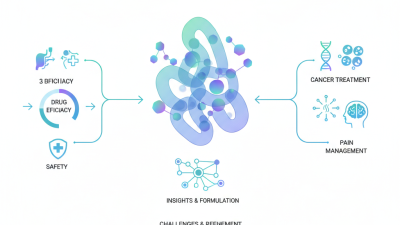
They design and optimize protein medicines for properties such as target binding, stability, dosing, and manufacturability. Molecular size varies widely across therapeutic protein formats.
Approximate molecular masses shown for representative protein formats; actual values can vary with sequence, modifications, and formulation.
Evaluating therapeutic protein engineering companies in 2026 means looking beyond attractive affinity numbers. Ask how each team connects computational design to wet-lab evidence. A credible partner should explain the target biology, design constraints, and assay conditions in plain language. Small details matter: buffer composition, replicate counts, and whether results were repeated across protein batches. Pretty plots can mislead. Look for data that can be interpreted and reproduced.
Review the full developability package, not a single headline metric. Check expression yield, solubility, thermal stability, aggregation, and binding under relevant conditions. For antibody-like molecules, ask how sequence liabilities and potential immunogenicity are assessed. Request documented data, clear success criteria, and examples of candidates that did not work. Failure data can be revealing. It shows whether teams learn or simply move the goalposts.
Manufacturing readiness deserves equal scrutiny. Discuss scale-up, analytical methods, material transfer, and ownership of designs and data before work begins. Ask who makes decisions when potency conflicts with stability. Timelines should leave room for redesign; biology rarely follows a neat project plan. No scorecard is perfect. A company may excel at rapid optimization yet lack deep process support. Compare teams against your molecule, indication, and next development milestone, rather than a generic ranking.
Therapeutic protein design begins with a specific problem: improve binding, stability, or half-life without disrupting the protein’s function. Teams combine sequence analysis, structural modeling, and machine-learning tools to identify promising changes. The models narrow the search, but laboratory testing remains essential. A predicted structure is not proof of clinical performance. Small sequence changes can alter folding, aggregation, or immune recognition.
Directed evolution and display-based screening test large variant libraries, while rational design focuses on selected sites. Researchers may also adjust glycosylation or other molecular features to influence stability and circulation time. Analytical methods then measure purity, potency, and aggregation under conditions relevant to storage and use. The IQVIA Institute’s 2024 Global Trends in R&D report tracked more than 6,000 medicines in development worldwide, underscoring the need for efficient candidate selection. Still, screening speed is not the same as success. A useful candidate can fail later, and no algorithm removes that risk. One difficult question remains: how much engineering improves a molecule without making its behavior harder to predict?
Profiles of leading therapeutic protein engineering companies should explain how their teams improve a molecule, not just describe a platform. Look for clear examples involving antibody affinity, stability, selectivity, or reduced aggregation. Strong profiles also distinguish laboratory results from evidence in animals or human studies. These stages are not interchangeable. A protein that behaves well in a screening assay may still prove difficult to manufacture or dose. Credible companies describe those limits and explain how they test for them.
Tips: Compare the evidence, not the slogans. Check whether published studies, patent records, or clinical trial entries support each claim. Ask how candidates are screened for stability, unwanted immune responses, and production yield. Look for specific methods and measurable outcomes. Vague claims deserve follow-up.
A useful profile should also cover practical capabilities: computational design, protein characterization, process development, and collaboration with clinical teams. These skills can shape how quickly a promising candidate moves toward development. Yet a polished platform story can still leave gaps. Public information may not reveal failed programs, assay differences, or the full cost of manufacturing. That distinction is easy to miss. Readers should treat company comparisons as a starting point, then verify details through independent scientific sources and current disclosures.
Anonymized profiles of established and emerging organizations. Company and product names are intentionally omitted. Company history and capabilities are summarized from publicly reported information.
| Profile | Founded / headquarters | Protein engineering strengths | Therapeutic focus | Development and validation |
|---|---|---|---|---|
| Profile A | 1988 Tarrytown, New York, United States |
Human antibody discovery using genetically engineered animal models; development of monoclonal and multispecific antibodies. | Immunology, oncology, ophthalmology, and cardiovascular disease. | Commercial-scale biologics business with multiple approved antibody medicines and a continuing clinical pipeline. |
| Profile B | 1999 Copenhagen, Denmark |
Antibody optimization, including engineering of bispecific formats and antibody effector functions. | Primarily oncology, with programs in other disease areas. | Multiple antibody medicines have reached market through internal development and collaborations; additional programs remain in clinical development. |
| Profile C | 1997 Monrovia, California, United States |
Antibody Fc-region engineering to tune immune activity and half-life, alongside multispecific antibody design. | Oncology, inflammation, and autoimmune disease. | Clinical-stage programs and development partnerships provide evidence of translation from engineered proteins into therapeutic candidates. |
| Profile D | 2007 Lebanon, New Hampshire, United States |
Yeast-display-based antibody discovery, screening, and optimization for partner research programs. | Partner-defined targets across oncology, immunology, and other therapeutic areas. | A collaboration-focused model has contributed antibody candidates to partner pipelines, including programs that have advanced into clinical development. |
| Profile E | 2012 Vancouver, British Columbia, Canada |
Antibody discovery using single-cell analysis of B cells, supported by high-throughput screening and computational tools. | Infectious disease, oncology, and immune-mediated conditions. | Uses both partnered and internal development approaches; antibody programs have progressed into clinical testing. |
| Profile F | 2018 Somerville, Massachusetts, United States |
Computational and generative approaches to designing therapeutic proteins, including antibodies and other protein formats. | Respiratory disease, immunology, and other areas addressed by its development programs. | Has advanced designed protein therapeutics into clinical development, providing an early test of computational design in human studies. |
| Profile G | 2008 Abingdon, Oxfordshire, United Kingdom |
Engineered soluble T-cell receptors linked to antibody fragments to direct T cells toward target cells. | Cancer, with research and development in infectious disease. | Its engineered receptor-based therapeutic approach has achieved regulatory approval, alongside continued clinical development. |
Note: Profiles are not a ranking. Development stages and corporate details can change; consult current public filings and clinical-trial records when making investment or partnership decisions.
In 2026, compare therapeutic-protein engineering companies by more than their design platforms. Examine whether they can improve binding, stability, expression yield, and developability without sacrificing safety. A protein that looks precise on a computer still needs to survive cell-line production, purification, storage, and dosing. Details matter.
The IQVIA Institute’s Global Use of Medicines 2024 report projected global medicine spending could reach $2.3 trillion by 2028. That signals commercial opportunity, not proof that any individual program will succeed.
Partnerships reveal how teams divide risk. Look for clear responsibilities across discovery, manufacturing, clinical development, and commercial supply, plus milestone terms that reflect real progress.
Clinical evidence deserves equal scrutiny: trial phase, patient numbers, dose levels, adverse events, and whether outcomes last beyond an early response. The FDA’s 2024 novel-drug-approval report recorded 50 approvals by its drug center; the figure spans drug types, so it is context, not a protein-specific benchmark.
A company with fewer programs may still show stronger execution. That comparison is imperfect. Early trials can look persuasive while leaving questions about durability, manufacturing consistency, or performance across patient groups.
Industry reports and trial registries help, but company claims should be checked against published results.