
China Top Non Antibody Biologics Manufacturers?
China’s biopharmaceutical sector has expanded beyond monoclonal antibodies and conventional small-molecule medicines. This article introduces leading Chinese manufacturers of Non Antibody Biologics, including recombinant proteins, vaccines, peptides, enzymes, nucleic acid products, and cell-based therapies. These products often require precise fermentation, purification, sterile filling, and temperature-controlled logistics.
The companies discussed should not be judged by production scale alone. Manufacturing consistency, process validation, clinical evidence, quality systems, and regulatory transparency matter equally. A modern facility may contain stainless-steel bioreactors, single-use bags, automated filling lines, and carefully monitored cold rooms. However, impressive equipment does not automatically prove reliable product performance.
The overview will consider technical capabilities, product focus, development experience, and international market readiness. It will also examine contract manufacturing capacity, research partnerships, and documented quality certifications where public evidence is available. Public information remains uneven. Some manufacturers disclose detailed pipelines, while others provide limited operational data. That limitation deserves attention.
No ranking is permanent. Company performance can change with approvals, investment, supply agreements, and clinical results. Readers should verify current information through official company announcements, regulatory databases, inspection records, and published studies. This approach supports a more balanced understanding of China’s Non Antibody Biologics manufacturing landscape. It also avoids treating marketing language as conclusive evidence. Careful comparison is essential.
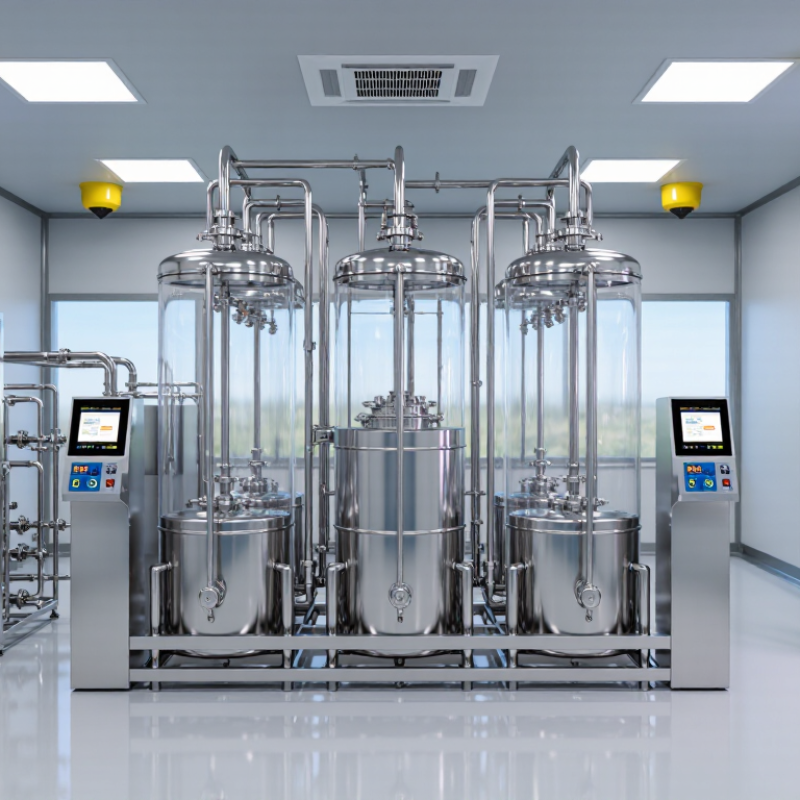
Table of Contents
[Hide]
Definition and Scope of Non-Antibody Biologics
Non-antibody biologics are therapeutic products made from living systems, but they do not use antibodies as their primary active substance. The category commonly includes recombinant proteins, hormones, enzymes, cytokines, blood-clotting factors, vaccines, and selected peptide products. Some regulatory frameworks also discuss nucleic-acid medicines, cell therapies, and gene therapies within the wider biologics field. The exact boundary can differ by jurisdiction and product type.
A practical definition should examine the active ingredient, production method, and biological function. For example, a recombinant hormone may be produced in engineered microorganisms and purified through several filtration steps. An enzyme therapy may require strict control of temperature, pH, aggregation, and potency. These details matter when evaluating manufacturers in China. Reliable assessment should include facility controls, analytical testing, process consistency, clinical evidence, and compliance with applicable pharmaceutical standards.
The boundary is not perfectly neat. Peptides may sit between conventional small-molecule drugs and larger biologics. Vaccines can also involve complex biological materials, making simple categories less useful. A careful industry article should avoid treating every non-antibody product as identical. Manufacturing experience, validated processes, and transparent quality records provide stronger evidence than production scale alone. Independent testing remains important, because a polished facility does not guarantee consistent product performance. That point is easy to overlook.
China Top Non-Antibody Biologics Manufacturers? – Definition and Scope of Non-Antibody Biologics
Definition: Non-antibody biologics are biological medicinal products whose active substance is not an antibody molecule. The scope commonly includes recombinant proteins, peptides, vaccines, plasma-derived non-antibody proteins, enzymes, oligonucleotides, cell therapies, gene therapies, and selected nucleic-acid-based products. Manufacturing competitiveness is assessed by platform capability, process control, quality systems, regulatory readiness, and commercial-scale production rather than by company or brand ranking.
| Biologic Category | Representative Non-Brand Examples | Biological Characteristics | Typical Manufacturing Platform | Key Quality Attributes | Common Therapeutic or Preventive Applications | China Manufacturing Capability Indicators | Scope Status |
|---|---|---|---|---|---|---|---|
| Recombinant Therapeutic Proteins | Insulin, erythropoietin, interferons, recombinant coagulation factors | Large, folded proteins produced through recombinant DNA expression systems | Microbial fermentation or mammalian-cell culture, followed by chromatography and sterile filling | Primary sequence, folding, glycosylation, potency, purity, aggregates, host-cell impurities | Endocrine disorders, anemia, viral disease, bleeding disorders, and immune-related conditions | Validated cell banks, scalable bioreactors, downstream purification, aseptic processing, and comparability studies | Included |
| Peptide Therapeutics | Glucagon-like peptide-1 receptor agonists, parathyroid-hormone analogues, peptide hormones | Short chains of amino acids with defined sequence and biological activity | Solid-phase peptide synthesis, recombinant expression, enzymatic processing, or hybrid routes | Sequence identity, related substances, oxidation, deamidation, residual solvents, potency | Metabolic disease, osteoporosis, endocrine disorders, and gastrointestinal conditions | High-purity synthesis, impurity profiling, continuous process improvement, and specialized analytical capacity | Included |
| Vaccines | Inactivated vaccines, live-attenuated vaccines, protein-subunit vaccines, conjugate vaccines, nucleic-acid vaccines | Products designed to induce active immunity against infectious agents or their components | Cell culture, microbial fermentation, recombinant expression, chemical conjugation, lipid nanoparticle formulation, or controlled attenuation | Identity, antigen content, potency, sterility, genetic consistency, residual impurities, stability | Prevention of viral and bacterial infectious diseases | Antigen production, high-containment operations where required, formulation, cold-chain validation, and large-scale fill-finish | Included |
| Plasma-Derived Non-Antibody Proteins | Human albumin, selected coagulation proteins, and other non-immunoglobulin plasma proteins | Proteins isolated from screened human plasma and purified for therapeutic use | Plasma fractionation, precipitation, chromatography, viral inactivation, and nanofiltration | Purity, protein concentration, biological activity, viral safety, pyrogen control, and aggregate level | Volume replacement, bleeding disorders, and selected critical-care applications | Plasma collection and traceability, fractionation capacity, pathogen-reduction controls, and cold-chain management | Included |
| Therapeutic Enzymes | Lysosomal storage disease enzymes, digestive enzymes, and metabolic replacement enzymes | Functional proteins that catalyze specific biochemical reactions | Recombinant mammalian-cell culture, microbial fermentation, purification, and formulation | Enzymatic activity, substrate specificity, glycosylation, purity, aggregation, and immunogenicity risk | Enzyme deficiencies, metabolic disorders, and selected digestive diseases | Stable expression systems, activity assays, glycan characterization, and long-term stability programs | Included |
| Oligonucleotide Therapeutics | Antisense oligonucleotides, small-interfering RNA, and aptamer-based medicines | Short, chemically defined nucleic-acid sequences designed to regulate gene expression or protein activity | Solid-phase chemical synthesis, deprotection, purification, desalting, and sterile formulation | Sequence identity, chain-length distribution, chemical modifications, residual reagents, potency, and endotoxin | Genetic diseases, metabolic disorders, cardiovascular disease, and selected cancers | Automated synthesis, high-resolution purification, sequence analytics, and specialized containment for potent materials | Included |
| Cell Therapies | Stem or progenitor cell products, engineered T-cell products, and other living-cell therapeutics | Viable cells administered to replace, repair, modulate, or destroy diseased tissue | Cell isolation or expansion, activation or genetic modification, washing, cryopreservation, and controlled release | Identity, viability, cell number, potency, sterility, genomic stability, and residual process materials | Hematological cancers, tissue repair, immune disorders, and regenerative medicine | Closed processing systems, cleanroom control, chain of identity, chain of custody, and cryogenic logistics | Included |
| Gene Therapy Products | Viral-vector products using adeno-associated or lentiviral vectors, and selected nonviral gene-delivery systems | Nucleic-acid-based products intended to modify, replace, or regulate genetic material in target cells | Producer-cell culture, plasmid or template preparation, vector harvest, purification, concentration, and aseptic filling | Vector identity, genome titer, infectivity, potency, empty-to-full ratio, residual DNA, sterility, and replication-competent virus | Inherited disorders, cancers, and other diseases involving defined genetic mechanisms | Vector upstream processing, scalable purification, advanced analytics, biosafety controls, and specialized fill-finish | Included |
| Recombinant Vaccine Antigens and Diagnostic Proteins | Recombinant antigens, enzymes, receptors, and other proteins used in prevention or disease detection | Biologically produced proteins used as active ingredients, test reagents, or components of immunization products | Microbial or mammalian expression, purification, conjugation where applicable, and controlled formulation | Identity, purity, functional activity, conformational integrity, lot consistency, and stability | Preventive immunization, infectious-disease testing, and clinical laboratory diagnostics | Expression optimization, purification scale-up, validated analytical methods, and lot-release testing | Included, depending on intended use |
| Antibody-Based Products | Monoclonal antibodies, polyclonal antibodies, antibody fragments, and antibody-drug conjugates | Immunoglobulin-based molecules that specifically bind defined antigens | Mammalian-cell culture, antibody purification, conjugation, and aseptic filling | Binding affinity, potency, glycosylation, aggregation, charge variants, impurities, and conjugation ratio | Oncology, autoimmune disease, infectious disease, and diagnostic applications | Included only as a comparator when assessing non-antibody manufacturing scope | Excluded from the non-antibody scope |
Manufacturer assessment framework: For a China-focused comparison, relevant dimensions include technology-platform breadth, commercial-scale capacity, GMP compliance, supply-chain localization, analytical development, aseptic fill-finish capability, cold-chain or cryogenic logistics, regulatory experience, and batch-to-batch consistency. No company or brand ranking is included in this table.
Reference basis: General classification principles are aligned with established biological-product frameworks used by the World Health Organization, the United States Food and Drug Administration, the European Medicines Agency, and China’s National Medical Products Administration.
Related Posts
-

How to Source Protein Based Therapeutics for Global Buyers?
-
How to Choose the Best Protein Library Screening Service?
-

2026 Best Next Generation Biotherapeutics for Innovative Healthcare Solutions?
-

What Is Affinity Chromatography and How Does It Work?
-

China Top Affinity Ligand Technology Advancements and Applications?
-
2026 How to Acquire Protein Drug Conjugates Effectively?