Top 10 Types of Biotherapeutic Molecules for Global Buyers

Biotherapeutic Molecules are reshaping global healthcare, from insulin and monoclonal antibodies to vaccines, peptides, and cell-based therapies. Their growing importance is visible in the research pipeline. The IQVIA Institute’s Global Trends in R&D 2024 reported more than 22,000 active biopharmaceutical programs worldwide in 2023. It also noted continued growth in novel mechanisms and advanced therapeutic platforms. These figures show strong innovation, but they also reveal greater complexity for international buyers.

Procurement decisions now involve more than product availability. Buyers must assess molecular structure, manufacturing controls, cold-chain requirements, clinical evidence, and regulatory status. IQVIA’s Global Medicine Use Trends and the World Health Organization’s biologicals guidance both emphasize quality, access, and supply reliability. A monoclonal antibody may require refrigerated transport, validated temperature records, and careful batch documentation. A peptide product may face different stability and formulation challenges. Small details matter.

This guide examines ten major types of Biotherapeutic Molecules used across global markets. It focuses on practical differences, sourcing considerations, and common applications. The analysis draws on established industry reports, regulatory guidance, and real-world procurement concerns. No category is automatically superior. That would be misleading. Product suitability depends on indication, patient population, production scale, and local requirements. Buyers should also verify supplier credentials, Good Manufacturing Practice compliance, analytical testing, and post-market support. The market is advancing quickly, yet evidence quality can vary. A careful review remains essential. Even experienced purchasing teams can overlook formulation or logistics risks. That is where disciplined comparison becomes valuable.
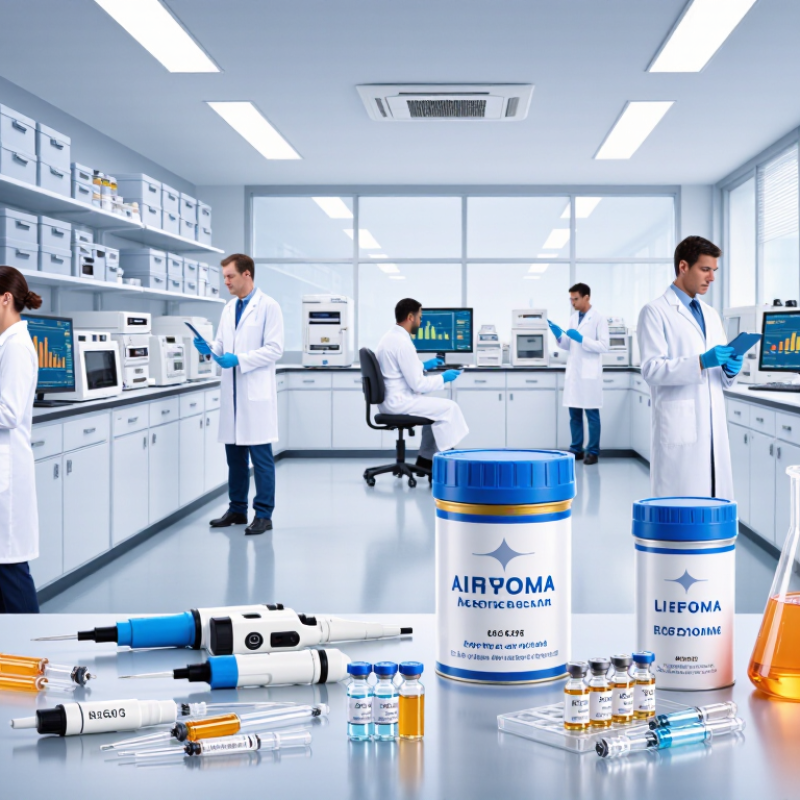
Top 10 Types of Biotherapeutic Molecules for Global Buyers

Biotherapeutic Molecules: Definition, Scope, and Classification

Biotherapeutic molecules are medicines derived from living systems or produced through biotechnology. They include proteins, peptides, antibodies, nucleic acids, and selected biological preparations. Unlike many small-molecule drugs, they often have complex structures and sensitive manufacturing requirements. A slight change in folding, aggregation, or glycosylation may affect performance.

A practical classification includes ten major types: monoclonal antibodies, antibody fragments, recombinant proteins, therapeutic peptides, cytokines, hormones, enzymes, blood-clotting factors, fusion proteins, and nucleic-acid therapeutics. Vaccines and cell-based products may also enter broader biologics discussions, although they are not always classified as biotherapeutic molecules. The boundaries are not perfectly tidy. Classification can differ between scientific, commercial, and regulatory documents.

For global buyers, scope means more than molecular identity. It includes the expression system, purification process, formulation, stability profile, delivery route, and cold-chain needs. A buyer reviewing an enzyme should examine activity assays, impurity controls, and storage data. For an antibody, binding specificity, aggregation results, and immunogenicity evidence deserve close attention. Reliable suppliers should provide traceable manufacturing records, validated analytical methods, and relevant quality documentation. Independent testing remains valuable, even when a technical dossier appears complete. Some assumptions fail in real distribution conditions. Temperature excursions, container interactions, or regional requirements can change the purchasing decision.

Ten Major Biotherapeutic Molecule Types and Their Core Functions

Biotherapeutic sourcing requires function-level clarity, not only a platform label. IQVIA Institute’s Global Use of Medicines 2024 report projects global medicine spending near 2.3 trillion dollars by 2028. That growth increases demand for molecules with measurable clinical and manufacturing value. Monoclonal antibodies selectively block or activate targets. Bispecific antibodies connect two biological pathways. Antibody-drug conjugates deliver potent payloads to selected cells. Recombinant proteins replace or supplement missing physiological signals.

Peptides offer precise receptor signaling through relatively small structures. Enzymes restore deficient catalytic activity or improve metabolic processing. Vaccines train adaptive immunity before infection or disease recurrence. Oligonucleotides silence, edit, or redirect RNA messages. These functions affect cold-chain requirements, dosing frequency, and analytical testing. Buyers should inspect potency assays, aggregation data, and stability evidence. Small details matter.

Cell therapies use living cells to repair, replace, or attack diseased tissue. Gene therapies introduce, modify, or regulate genetic instructions. Together, these ten molecule types cover targeted signaling, immune training, molecular regulation, and tissue intervention. Evaluate Pharma’s World Preview 2024 identifies oncology as the leading therapy area by forecast sales, supporting continued interest in antibodies, conjugates, cell therapies, and gene therapies. However, market reports simplify complex supply decisions. A high-growth category may still face weak comparability data, limited manufacturing capacity, or uncertain long-term follow-up. That is where buyers need restraint. Industry enthusiasm is not evidence.

Top 10 Types of Biotherapeutic Molecules for Global Buyers - Ten Major Biotherapeutic Molecule Types and Their Core Functions

No. Biotherapeutic Molecule Type Molecular Nature Typical Molecular Size Core Function Common Therapeutic Areas Typical Administration Key Buyer Specifications
01 Monoclonal Antibodies Engineered immunoglobulin proteins, usually based on IgG architecture Approximately 140–160 kDa Bind a defined antigen to block, activate, deplete, or modulate a biological pathway Oncology, autoimmune disease, inflammatory disorders, infectious disease, ophthalmology Intravenous, subcutaneous, or intramuscular Binding affinity, specificity, aggregation, glycosylation profile, potency, sterility, endotoxin, and cold-chain requirements
02 Antibody Fragments and Single-Domain Antibodies Fab, scFv, F(ab')2, nanobody-like, or other reduced antibody formats Approximately 12–110 kDa, depending on format Provide selective target binding with improved tissue penetration or faster clearance than full antibodies Imaging, ophthalmology, oncology, inflammatory disease, targeted delivery Intravenous, subcutaneous, local, or specialized delivery systems Format integrity, target affinity, proteolytic stability, aggregation, half-life, impurity profile, and formulation compatibility
03 Bispecific and Multispecific Antibodies Antibody-based proteins designed to recognize two or more distinct targets Approximately 100–250+ kDa, depending on architecture Bring cells, receptors, or biological pathways together to produce a coordinated therapeutic effect Oncology, immunology, hematology, infectious disease Intravenous or subcutaneous; some formats may require controlled dosing schedules Correct chain pairing, target balance, biological activity at each binding site, aggregation, immunogenicity, and process consistency
04 Fc-Fusion Proteins A therapeutic protein or receptor domain genetically fused to an antibody Fc region Approximately 50–200+ kDa Extend circulating half-life while preserving receptor, ligand, or signaling activity Autoimmune disease, hematology, endocrinology, rare disease Subcutaneous or intravenous Fusion-junction integrity, Fc-related activity, glycosylation, potency, dimerization, aggregation, and stability
05 Recombinant Replacement and Supplementary Proteins Recombinant human or humanized proteins that replace deficient or insufficient endogenous proteins Approximately 5–200 kDa Restore a missing biological activity, regulate a physiological process, or supplement a natural protein Endocrinology, nephrology, hematology, coagulation, metabolic and rare diseases Subcutaneous, intravenous, intramuscular, or local administration Sequence identity, folding, post-translational modifications, biological potency, host-cell proteins, residual DNA, and sterility
06 Cytokines and Interferons Signaling proteins that regulate immune, inflammatory, antiviral, or hematopoietic responses Approximately 8–40 kDa Modify cellular communication and stimulate or suppress specific immune or blood-cell functions Immunodeficiency, viral disease, oncology, inflammatory conditions, hematopoietic support Subcutaneous, intravenous, intramuscular, or local administration Specific activity, receptor selectivity, aggregation, endotoxin, immunogenicity, dose-related effects, and temperature sensitivity
07 Peptide and Protein Hormones Peptide or protein messengers that reproduce or replace endogenous hormonal signals Approximately 1–100 kDa Control metabolism, growth, reproduction, fluid balance, or other endocrine functions Diabetes, growth disorders, fertility, osteoporosis, endocrine deficiencies Most commonly subcutaneous; some products use intravenous or intramuscular routes Sequence and purity, potency, aggregation, deamidation, oxidation, formulation pH, preservative compatibility, and device suitability
08 Therapeutic Enzymes Catalytic proteins that replace deficient enzymes or alter a disease-related biochemical substrate Approximately 20–250 kDa Break down, convert, or remove specific biological molecules in metabolic or pathological pathways Lysosomal storage disorders, metabolic disease, oncology, thrombosis, digestive disorders Intravenous, intramuscular, subcutaneous, or oral delivery for selected stabilized enzymes Specific activity, substrate conversion, enzyme kinetics, glycosylation, immunogenicity, aggregation, and batch-to-batch consistency
09 Therapeutic Vaccines and Recombinant Subunit Antigens Antigenic proteins, peptides, virus-like particles, or other biological components designed to stimulate adaptive immunity Highly variable; from small peptides to multi-megadalton particles Induce protective or therapeutic immune responses against infectious or disease-associated targets Infectious disease prevention, oncology, and selected chronic or recurrent diseases Usually intramuscular or subcutaneous; specialized local routes may be used Antigen identity, conformational integrity, immunogenicity, adjuvant compatibility, sterility, potency, and temperature-controlled logistics
10 Therapeutic Oligonucleotides Short synthetic DNA or RNA sequences, including antisense oligonucleotides and small interfering RNA Approximately 5–30 kDa Silence, modify, replace, or regulate selected genetic messages and protein-expression pathways Genetic, metabolic, neuromuscular, hepatic, cardiovascular, and rare diseases Subcutaneous, intravenous, intrathecal, or other targeted routes Sequence accuracy, chemical modifications, purity, duplex formation, nuclease stability, target engagement, delivery-system compatibility, and residual solvents
Data note: Molecular-size ranges and administration routes are generalized industry ranges. Actual specifications vary by molecule design, formulation, indication, dosage form, manufacturing platform, and applicable regulatory requirements.

Manufacturing Platforms, Quality Attributes, and Storage Requirements

Global buyers assess ten major biotherapeutic types: monoclonal antibodies, recombinant proteins, enzymes, hormones, cytokines, fusion proteins, antibody-drug conjugates, vaccines, cell therapies, and gene therapies. Each requires a different manufacturing platform. Mammalian cells support complex antibodies, while microbial fermentation suits simpler proteins. Viral vectors need specialized containment and purification. Cell therapies add donor variability and short delivery windows.

Quality attributes must match the molecule. Buyers should review potency, purity, aggregation, host-cell proteins, residual DNA, sterility, and endotoxin levels. For advanced therapies, identity, viability, vector copy number, and replication-competent virus testing are also critical. The ICH Q5C guideline emphasizes stability data for biological products, not assumptions based on chemical drugs. That distinction is easy to miss.

Storage planning can determine commercial success. Many antibodies remain stable under refrigerated conditions, commonly 2–8°C, while vaccines, cells, and some gene therapies may require frozen or ultra-low storage. IQVIA’s Global Use of Medicines 2024 projects worldwide medicine spending to reach about US$2.3 trillion by 2028, increasing pressure on reliable cold-chain capacity. BioPlan Associates’ 2024 industry report also identifies single-use manufacturing as a major platform trend. Still, platform choice alone does not guarantee consistency. A supplier may report excellent laboratory data, yet transport vibration, repeated thawing, or weak temperature monitoring can expose hidden risks. Real-world shipping evidence matters.

Clinical Applications and Selection Criteria for Global Buyers

Top 10 Types of Biotherapeutic Molecules for Global Buyers

Clinical applications should guide every biotherapeutic purchase. Monoclonal antibodies support oncology, autoimmune disease, and infectious disease care. Recombinant proteins treat deficiencies, metabolic disorders, and blood conditions. Vaccines help prevent communicable diseases. Enzymes can replace missing biological functions. Cytokines influence immune responses but may require careful monitoring. Hormone therapies address endocrine disorders. Fusion proteins combine targeted binding with therapeutic activity. Antibody-drug conjugates deliver potent agents to selected cells. Gene-based medicines and cell therapies serve highly specialized indications. Biosimilars may improve access when approved evidence supports interchangeability.

Selection requires more than comparing prices. Buyers should review phase three evidence, real-world safety data, and the strength of published methods. Check the intended indication. Confirm dosing, administration time, and patient eligibility. Manufacturing controls must meet the destination market’s regulatory expectations. Evaluate cold-chain capacity, shelf life, container integrity, and transport records. A stable product can still fail during poor handling.

Immunogenicity deserves close attention. Request comparative analytical data, not only promotional claims. Examine pharmacovigilance plans and recall procedures. Supply continuity matters too. One delayed shipment can disrupt treatment schedules. Local clinical practice may differ from trial conditions, creating uncertainty. Early assumptions sometimes prove wrong. Buyers should involve clinicians, quality specialists, pharmacists, and regulatory advisers before contracting. A practical scorecard can compare evidence, risk, logistics, and total treatment cost across target countries.

Regulatory, Supply Chain, and Procurement Considerations by Molecule Type

Top 10 Types of Biotherapeutic Molecules for Global Buyers

Regulatory, Supply Chain, and Procurement Considerations by Molecule Type

Global buyers commonly source monoclonal antibodies, antibody-drug conjugates, recombinant proteins, hormones, enzymes, cytokines, vaccines, gene therapies, cell therapies, and oligonucleotides. Each type creates different procurement risks. Monoclonal antibodies need cold-chain validation and comparability evidence. Antibody-drug conjugates require tighter controls for payload handling. Recombinant proteins and hormones need robust potency testing. Enzymes and cytokines can lose activity through repeated temperature changes. Vaccines require strict stability monitoring. Gene and cell therapies demand patient-specific tracking, qualified facilities, and long-term follow-up. Oligonucleotides may require specialized analytical methods. The category list is useful, but never complete.

Regulatory expectations also vary by market. Buyers should confirm batch-release rules, pharmacopoeial testing, import permits, and local pharmacovigilance duties before contracting. IQVIA’s Global Use of Medicines 2024 forecasts worldwide medicine spending could reach about US$2.3 trillion by 2028. That growth increases pressure to control total landed cost, not only unit price. WHO has reported that one in ten medical products in low- and middle-income countries may be substandard or falsified. Supplier qualification therefore needs audits, traceability, deviation records, and independent testing. Forecasts can still fail. Pandemic disruptions proved that.

Tips: Build a molecule-specific scorecard. Check temperature limits, shelf life, minimum order quantities, serialization, backup sites, and release timelines. Request stability data under realistic transport conditions. A cheaper vial may become expensive after excursions, rejected batches, or delayed customs clearance.

How to read this benchmark: Scores range from 1 to 10, where 10 indicates greater complexity. The benchmark combines established characteristics of each molecule type across regulatory requirements, temperature-controlled or specialized logistics, manufacturing constraints, quality documentation, and procurement planning. It is intended for global sourcing and planning discussions, not as a market-share ranking.

Key implication: Cell and gene therapies generally require the highest level of coordination because of patient-specific handling, chain-of-identity controls, specialized manufacturing, and stringent release requirements. Peptides and conventional recombinant proteins typically offer more standardized supply and procurement pathways.