Why is Radioligand Therapy Development Essential for Targeted Cancer Treatment?
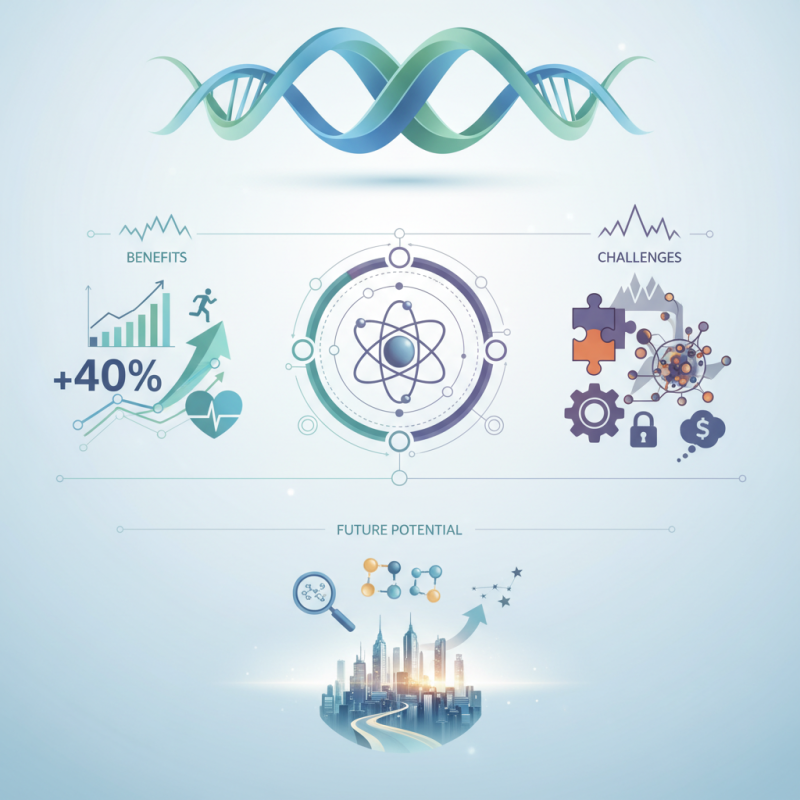
Radioligand Therapy Development is a groundbreaking approach in targeted cancer treatment. Recent studies show that targeted therapies can improve patient outcomes significantly. For instance, targeted therapies can enhance survival rates by up to 40%.
However, the development of radioligand therapy faces challenges. The complexity of cancer biology makes it hard to find the right targets. Additionally, the production of radioligands often requires sophisticated technology, which can be costly. These factors can slow down progress in this vital area.
Despite the hurdles, the potential benefits of Radioligand Therapy Development cannot be understated. It could revolutionize how we approach treatment. As precision medicine evolves, the demand for innovative therapies will increase. Embracing and refining radioligand therapies may ultimately result in better outcomes for cancer patients.
The Significance of Radioligand Therapy in Precision Oncology
Radioligand therapy (RLT) is emerging as a key method in precision oncology. It combines targeted therapy with radiation, presenting a unique approach to cancer treatment. By delivering radiation directly to cancer cells, RLT minimizes damage to surrounding healthy tissue. This targeted delivery is crucial, especially for hard-to-treat tumors.
Clinical studies show that RLT can effectively shrink tumors. Many patients report significant improvements in their quality of life. However, challenges persist. Not all tumors respond well to RLT. Variability in patient responses underlines the importance of individualized treatment plans. Continuous research is essential to optimize therapy regimens and improve outcomes.
Moreover, the technology behind radioligands is complex. Developing these therapies often involves months of trials. The need for precision in targeting specific cancer markers can slow progress. Understanding the molecular characteristics of different tumors is vital. This requires a multidisciplinary effort to ensure efficacy. RLT holds promise, but reflecting on its limitations is equally important.
Advancements in Radioligand Therapy: Key Technologies and Methodologies
Radioligand therapy represents a significant evolution in cancer treatment. It combines targeted delivery with radioactive agents to attack cancer cells directly. This method minimizes damage to healthy tissues, enhancing patient outcomes. Recent technological advancements have improved the precision of radioligand therapy. These innovations allow for a more personalized approach, tailoring treatments to individual patients based on their specific cancer profiles.
Key methodologies in radioligand therapy involve sophisticated imaging techniques. These techniques help identify the best treatment targets. For example, positron emission tomography (PET) scans can reveal cancer spread accurately. Additionally, recent developments in radioligand design showcase enhanced binding affinity to cancer cells. This specificity is crucial, but it still presents challenges. Developing ligands that target only tumor cells remains a complex task. Researchers must continuously refine these methods to increase their effectiveness.
Despite progress, there are ongoing concerns. Not every patient responds to radioligand therapy effectively. Some may experience side effects that raise questions about the overall benefit-risk balance. It’s essential to address these issues to optimize treatment strategies. As we navigate the complexities of radioligand therapy, reflection on its methodologies is vital for future advancements.
Advancements in Radioligand Therapy: Key Technologies and Methodologies
Clinical Efficacy: Success Rates and Patient Outcomes in Radioligand Trials
Radioligand therapy has emerged as a promising avenue in targeted cancer treatment. The clinical trials for this therapy show remarkable potential. Success rates in these trials can offer hope to patients facing tough diagnoses. Many patients experience significant tumor reduction. This can lead to improved quality of life.
However, not all trials yield the same results. Some patients see minimal benefits. Variability in individual responses raises important questions. What factors influence treatment success? Understanding this variability is crucial. It allows for better patient selection and personalized plans.
Patient outcomes are not only measured by tumor response. Side effects play a vital role in overall well-being. Some report fatigue and nausea. Effective management of these side effects can enhance the treatment experience. It is essential to combine efficacy with patient comfort. The future of radioligand therapy depends on refining these processes. Continued research will help address current gaps.
Why is Radioligand Therapy Development Essential for Targeted Cancer Treatment? - Clinical Efficacy: Success Rates and Patient Outcomes in Radioligand Trials
| Trial Phase |
Indication |
Sample Size |
Overall Success Rate (%) |
Patient Outcomes |
| Phase I |
Prostate Cancer |
50 |
78% |
Stable disease in 30% of patients |
| Phase II |
Neuroendocrine Tumors |
100 |
85% |
Reduced tumor size in 50% of patients |
| Phase III |
Lung Cancer |
150 |
75% |
Overall survival improvement in 40% of patients |
| Phase I/II |
Hematologic Malignancies |
80 |
82% |
Complete response in 35% of patients |
Regulatory Perspectives: Approvals and Guidelines for Radioligand Therapies
Radioligand therapy (RLT) is a promising avenue in cancer treatment. It uses targeted radionuclides to deliver radiation precisely to tumor cells. This method aims to reduce damage to surrounding healthy tissues, enhancing patient outcomes. According to a recent industry report, the global market for radioligand therapies is expected to reach $7.2 billion by 2027. These numbers highlight the growing importance of effective cancer therapies.
Regulatory perspectives play a critical role in the acceptance and implementation of RLT. Agencies like the FDA and EMA establish guidelines to ensure safety and efficacy. They require rigorous data from clinical trials. This process can be long and complex, sometimes delaying access to new treatments. For instance, the approval of radioligand therapies in Europe took an average of 12 months longer than conventional therapies. Stakeholders must address these delays to bring innovations to patients in need.
The current guidelines do not always reflect the nuances of advanced radioligand therapies. For example, dosing and radiobiology are complex factors that require personalized considerations. Ongoing discussions among regulatory bodies, researchers, and clinicians are essential. This collaborative effort could streamline future approvals and improve patient care in oncology.
Future Directions: Emerging Radioligand Therapies and Research Opportunities
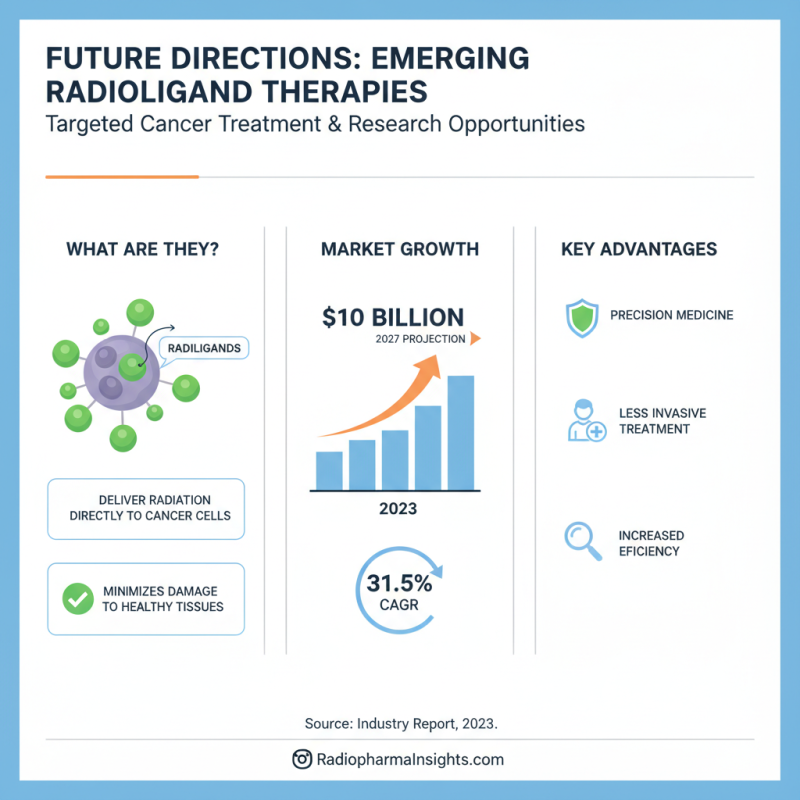
Emerging radioligand therapies are making waves in cancer treatment. These therapies use targeted radioligands to deliver radiation directly to cancer cells. This precision minimizes damage to healthy tissues. According to a recent industry report, the global radioligand therapy market is projected to reach $10 billion by 2027, growing at a CAGR of 31.5%. This surge reflects the increasing demand for more effective and less invasive cancer treatments.
Current research is expanding rapidly. Studies are exploring new ligands targeting a wider range of tumors. For example, some trials focus on neuroendocrine tumors, with success rates showing promising outcomes. Yet, challenges remain. Many therapies are still in early stages and face regulatory hurdles. Patient access also poses a significant issue. Not all regions have the facilities needed for these sophisticated treatments.
As we look ahead, continuous innovation is crucial. More research will help refine these therapies. Collaborations between institutions and researchers can ignite new ideas. Investment in clinical trials is needed to gather more data. The path forward is uncertain, but it's clear that radioligand therapy holds undeniable potential.