How to Master Antibody Purification Technology for Optimal Results?
In the rapidly evolving field of biotechnology, mastering "Antibody Purification Technology" is essential for researchers. Dr. Jane Smith, a leading expert in antibody research, once remarked, “Precision in purification can determine the success of an entire project.” This highlights the critical role that effective purification plays in producing high-quality antibodies.
Understanding the nuances of antibody purification is not without its challenges. Researchers often grapple with various techniques, each offering different benefits and limitations. For example, protein A affinity chromatography is common but may not work for all antibodies. Some antibodies display unique characteristics that could affect their yield and specificity. Thus, the journey requires careful assessment and adaptation.
Additionally, many overlook the importance of pre-purification steps. Developing a thorough strategy that accounts for sample properties can lead to optimal results. However, pitfalls are common, such as contamination and loss of activity. This underscores the need for continuous learning and refinement in "Antibody Purification Technology." Embracing these complexities ultimately drives innovation and enhances research outcomes.

Understanding the Basics of Antibody Purification Techniques
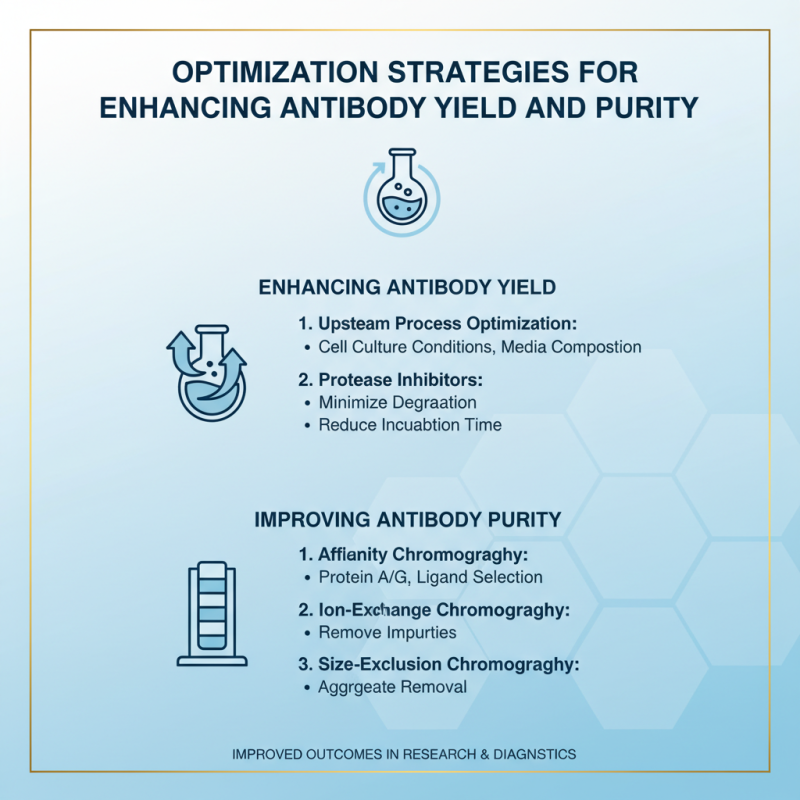
Antibody purification is essential for many research applications. Understanding the basic techniques is crucial. Affinity chromatography is a popular method. It allows selective binding of antibodies. However, this technique requires optimization. Not all antibodies behave the same. Variability in sample quality can impact results.
Ion-exchange chromatography offers another approach. This method separates antibodies based on charge. It provides different interaction dynamics. But, it may lead to lower yields. Factors like pH and ionic strength require careful consideration. It's a trial-and-error process. Learning from each attempt leads to improvement.
Precipitation techniques are also useful. They can be quick and efficient. These methods, however, may co-purify unwanted proteins. It's important to thoroughly analyze the outcome. Regular practice and refinement can enhance skills. Consistent review of results drives better understanding. Mastery of these basics forms a foundation for optimization.
Key Factors Influencing Antibody Purification Efficiency
Antibody purification is critical for research and therapeutic applications. Several factors influence the efficiency of this process. Understanding these factors is essential for optimal results.
One major consideration is the choice of purification method. Different techniques include affinity chromatography and protein A-based methods. Each method has its strengths and limitations. For instance, some methods may yield higher purity but require longer processing times. This can lead to degradation of the antibodies.
Another factor is the quality of the starting material. The source of antibodies greatly impacts the outcome. Impurities present in the sample can hinder purification efficiency. It's crucial to assess the sample quality before beginning the purification. Additionally, temperature and pH stability must be monitored throughout the process. Deviation from optimal conditions can lead to loss of activity. Maintaining consistency in these conditions is key yet often overlooked.
Antibody Purification Efficiency Factors
Comparison of Common Antibody Purification Methods: A Data-Driven View
Antibody purification is crucial in many laboratories. Various methods provide unique advantages and challenges. Common methods include affinity chromatography, protein A purification, and ion-exchange chromatography. Affinity chromatography uses specific binding, while ion-exchange depends on charge. Each method has its own set of pros and cons.
When selecting a method, consider yield and purity requirements. This can be tricky. Affinity chromatography often yields high purity but may disrupt protein structure. Ion-exchange techniques can be great for large quantities but may result in lower purity. Balance is key.
Tips: Always run a pilot experiment. Gather data to analyze method effectiveness. Don’t hesitate to tweak protocols. Reflection is essential. If yields are low, evaluate the entire process. Address potential issues step by step. Robust results come from persistent refinement.
Quality Control Metrics for Assessing Purified Antibody Performance
Quality control metrics are crucial for assessing purified antibody performance. They provide insights into the effectiveness and reliability of purification processes. Key metrics include purity, yield, and specificity. Measuring these elements helps identify potential issues in antibody production.
Purity levels should be assessed using techniques like SDS-PAGE and ELISA. These methods reveal the presence of contaminants. Low purity levels may indicate incomplete purification or poor production practices.
Yield assessment is equally important. A low yield can signal inefficiencies in the purification protocol. Specificity testing helps ensure that antibodies only bind to their intended targets. Cross-reactivity can lead to unreliable results.
Conducting these assessments regularly is essential for consistent antibody performance. Reflecting on the data gathered from these tests can guide improvements in methodologies. Continuous optimization is necessary; outdated techniques may need revising.