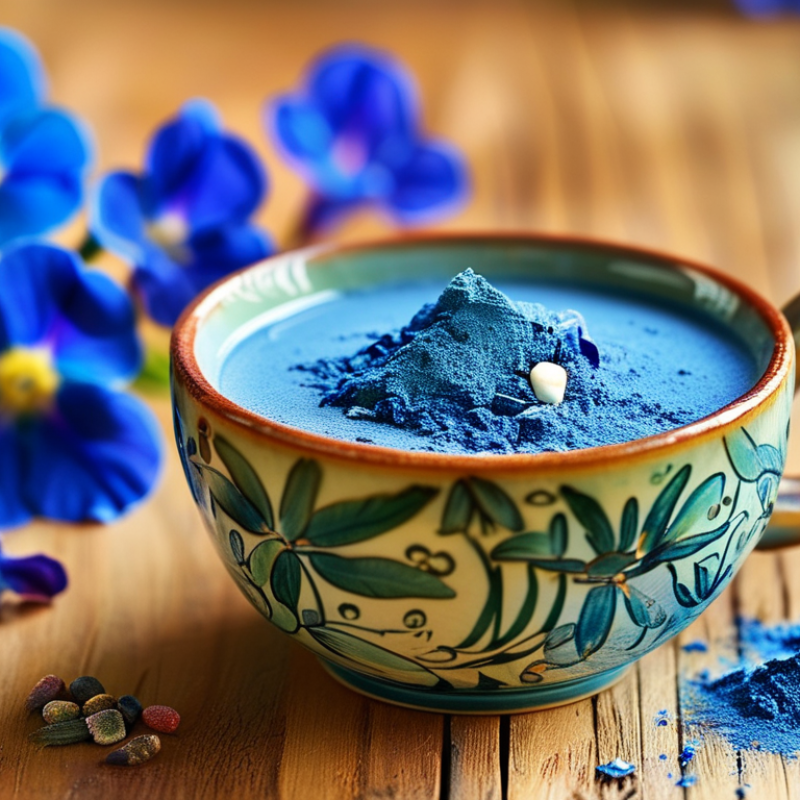
Butterfly Bean Pollen Benefits and How to Use It?
Butterfly Bean Pollen is gaining attention for its unique benefits. This natural supplement comes from the vibrant butterfly pea flower. Known for its vivid blue hue, it's more than just a pretty plant.
Packed with nutrients, Butterfly Bean Pollen offers potential health advantages. It may enhance energy levels and support immune function. Users find it adds a subtle sweetness to dishes and drinks. Many enjoy incorporating it into smoothies or teas. Its antioxidant properties also appeal to those seeking to improve overall wellness.
While the benefits are promising, some still question its effectiveness. Individual experiences vary, making it essential to approach with an open mind. Research is ongoing. As with any supplement, it’s wise to consult a healthcare professional before use. Embracing new trends can lead to discovery, but one must remain cautious and informed.
What is Butterfly Bean Pollen?
What is Butterfly Bean Pollen?
Butterfly bean pollen comes from the Clitoria ternatea plant. This unique flower is often found in tropical regions. The pollen has vibrant colors ranging from blue to purple. It is known for its nutritional properties and is used in various herbal remedies.
The pollen is rich in antioxidants, vitamins, and minerals. People consume it to boost immunity and enhance overall health. Some studies suggest it may help improve cognitive function. The vibrant color of butterfly bean pollen makes it visually appealing. It can easily be added to smoothies, teas, or baked goods.
Tips: To enjoy its benefits, try adding a teaspoon of butterfly bean pollen to your morning smoothie. It pairs well with fruits like bananas and berries. Another idea is to mix it into yogurt or oatmeal for a nutritional boost.
Always remember, moderation is key. While butterfly bean pollen is generally safe, excessive consumption might lead to digestive issues. It's crucial to observe how your body reacts. Consider consulting a health professional before making significant changes to your diet. This will ensure that you benefit from this remarkable pollen effectively.
Nutritional Profile of Butterfly Bean Pollen
Butterfly bean pollen is gaining attention for its unique nutritional profile. This vibrant pollen is not just beautiful; it is also packed with nutrients. High in proteins and amino acids, it can be a valuable addition to various diets. Furthermore, it contains vitamins like A, C, and E, along with essential minerals.
This pollen is also rich in antioxidants. Antioxidants can help the body fight oxidative stress, which may contribute to chronic diseases. The presence of flavonoids in butterfly bean pollen is notable. These compounds have been linked to potential health benefits, such as improved heart health and anti-inflammatory effects.
Despite its benefits, people should use it wisely. Some may experience allergies, so it's best to start with a small amount. The flavor can be earthy, so it might not please everyone. Experimenting with butterfly bean pollen can be rewarding but requires patience and open-mindedness. Adding it to smoothies, salads, or baked goods can offer a nutritious twist to your meals.
Health Benefits of Butterfly Bean Pollen
Butterfly bean pollen, derived from the Clitoria ternatea flower, holds remarkable health benefits. This vibrant blue flower is rich in antioxidants, which combat oxidative stress. Antioxidants are vital for maintaining overall health. They help prevent cellular damage caused by free radicals. Including butterfly bean pollen in your diet can improve your immune response and boost your energy levels.
Potential benefits of butterfly bean pollen include enhanced cognitive function. The nutrients in this pollen may support memory and concentration. It’s also known for its anti-inflammatory properties. Reducing inflammation is crucial for long-term health. Many people report improved skin elasticity and hydration after incorporating this pollen into their routines.
When using butterfly bean pollen, consider adding it to smoothies or yogurt. You can also sprinkle it on salads for a nutritional boost. For a calming tea, steep the pollen in hot water. Remember, every person’s body reacts differently to supplements. Start with small amounts to see how it affects you. Observe any changes in your well-being.
Health Benefits of Butterfly Bean Pollen
How to Incorporate Butterfly Bean Pollen into Your Diet
Butterfly bean pollen, renowned for its vibrant color and health benefits, can enhance your diet in various ways. This natural supplement is rich in antioxidants and nutrients. You might sprinkle it over salads or mix it into smoothies for added flavor and nutrition. Its slightly sweet taste complements a range of dishes, promoting an enjoyable eating experience.
Another interesting way to incorporate butterfly bean pollen is by adding it to your baking. Try mixing a spoonful into pancake or muffin batter. The pollen not only adds color but also a unique nutritional boost. Be mindful, though; using too much can alter the texture of your baked goods. Experiment with small amounts to find the right balance.
You can also blend it into your morning oatmeal or yogurt. The pollen enhances both taste and health benefits while keeping your meals vibrant. Adjusting the quantities based on your preference is a simple way to ease into this ingredient. Don’t forget to stay open to the flavors and textures that butterfly bean pollen introduces; it may take a few trials to discover your ideal combination.
Precautions and Side Effects of Using Butterfly Bean Pollen
Butterfly bean pollen offers numerous health benefits, but it’s essential to be aware of precautions and side effects. While many people use butterfly bean pollen for its potential to enhance mood and cognitive function, some individuals might experience adverse reactions. Allergies are a common concern. Those allergic to similar plants should exercise caution. Skin rashes or respiratory issues can occur in sensitive individuals.
Always consult with a healthcare professional before adding butterfly bean pollen to your diet. This is especially important for pregnant or breastfeeding women. The exact impact of pollen on their health is not well-studied. Long-term consumption in large doses may also lead to unwanted effects.
Tips: Start with a small amount and monitor your body's response. Keep a journal of how you feel after consumption. Another way to minimize risk is to source pollen from reputable suppliers. Authenticity matters. Choose products that are tested and verified for safety. This can help ensure you receive quality pollen free from contaminants.
Butterfly Bean Pollen Benefits and How to Use It? - Precautions and Side Effects of Using Butterfly Bean Pollen
| Benefits | How to Use | Precautions | Side Effects |
| Rich in antioxidants | Add to smoothies and teas | Consult a doctor if pregnant | Allergic reactions possible |
| May improve mood | Use as a food colorant | Avoid if taking blood thinners | Digestive issues may occur |
| Supports digestive health | Incorporate in baked goods | Not for children under 3 | May cause headache |
| Potential anti-inflammatory properties | Topical application (diluted) | Avoid in cases of pollen allergy | Skin irritation if applied directly |