
10 Best Recombinant Protein Purification Methods for You?
Recombinant protein purification is crucial in biotechnology and pharmaceutical industries. According to a 2022 market study, the global recombinant protein market is projected to reach $53 billion by 2026. This growth underlines the increasing need for effective purification methods to isolate proteins. High purity and yield are essential for practical applications in drug development and diagnostics.
Various techniques exist for recombinant protein purification. Some methods are well-established, while others are emerging. For instance, affinity chromatography remains a popular choice, enabling specific interactions with target proteins. However, challenges like protein denaturation and low recovery rates can arise. Understanding these limitations is key in selecting the right method.
Notably, the complexity of protein structures compels researchers to adopt diverse strategies. Each method has unique advantages and drawbacks. New approaches like nanomaterials in purification are gaining traction but require careful evaluation. It’s vital to balance efficiency and cost-effectiveness. The goal is to enhance protein yields while maintaining their functionality. As research advances, refined techniques will play a significant role in the purification landscape.
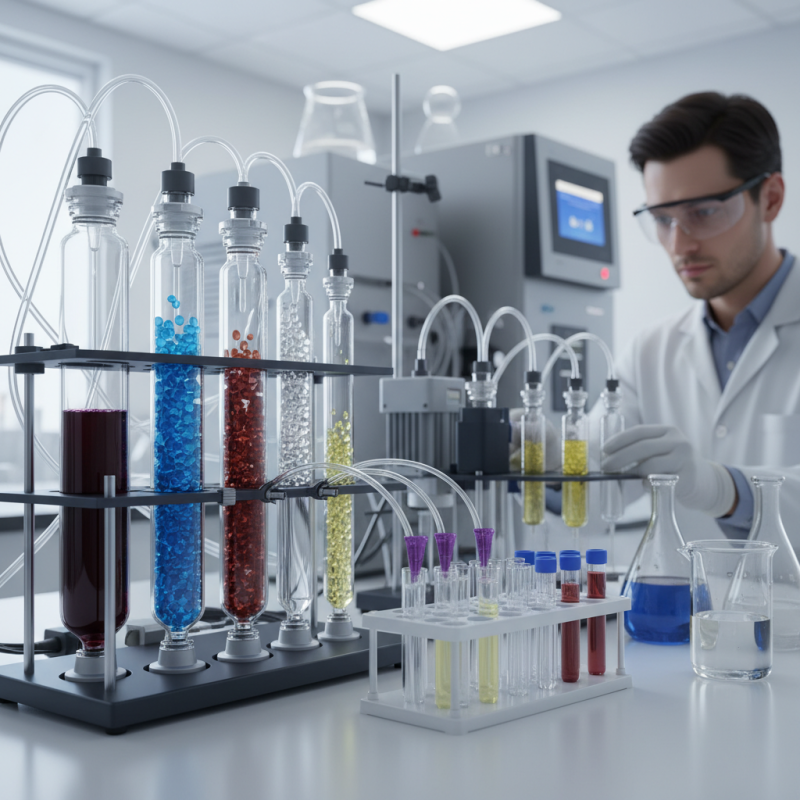
Table of Contents
[Hide]
Overview of Recombinant Protein Purification Techniques
Recombinant protein purification techniques play a crucial role in biotechnology. Scientists often face challenges during these processes. Understanding various methods can enhance overall efficiency.
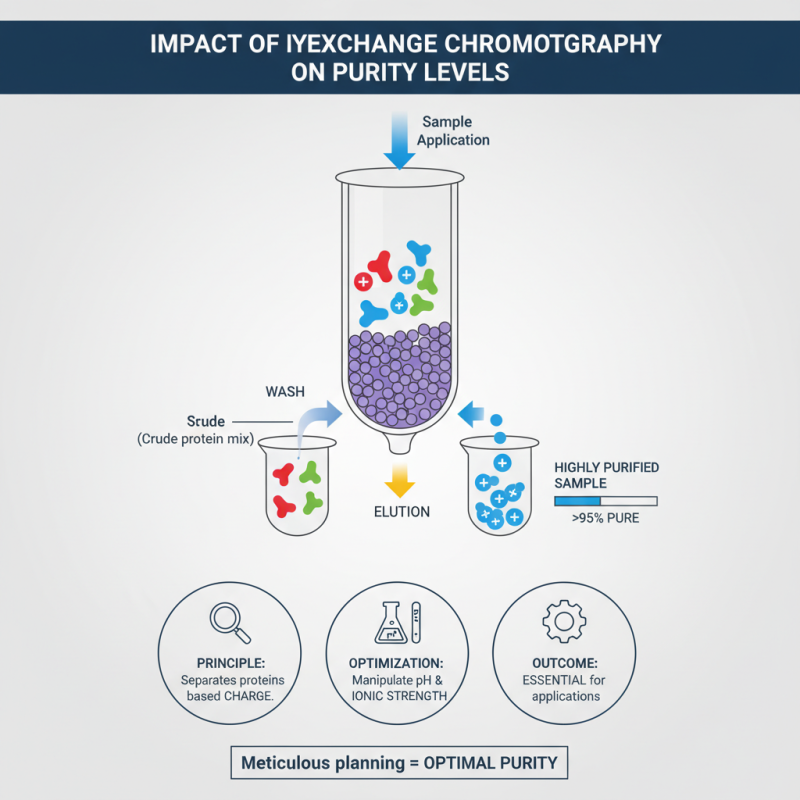
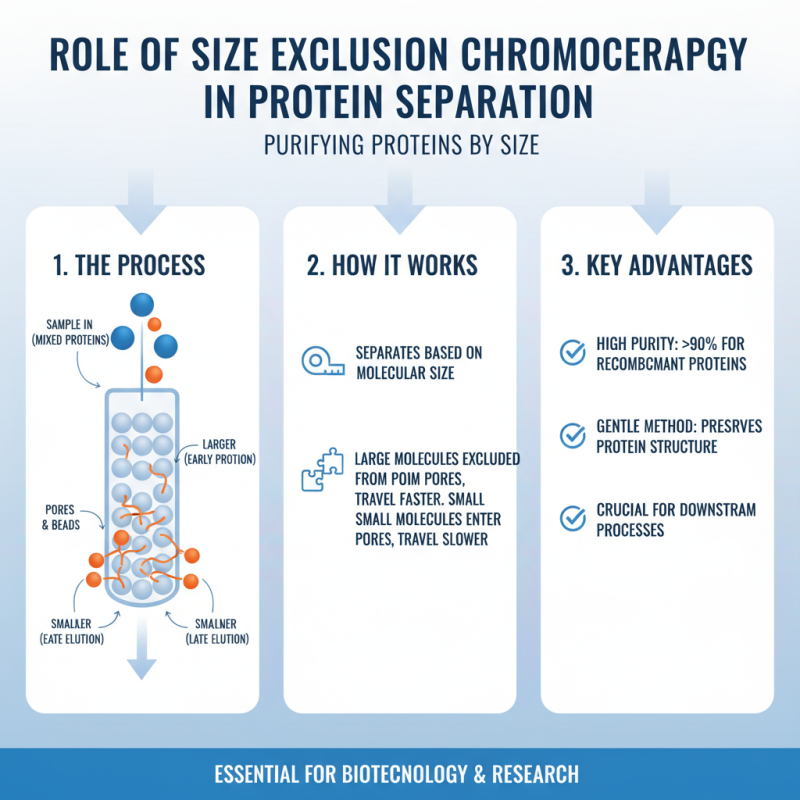
Common techniques include affinity chromatography, ion exchange, and size exclusion chromatography. Each method has its strengths and weaknesses. Affinity chromatography is popular for its specificity but may require time-consuming steps. Conversely, ion exchange is faster but could result in lower purity levels. Size exclusion is gentle but may not separate proteins effectively based on size alone.
Researchers also explore newer methods. Emerging techniques, like magnetic bead separation and ultrafiltration, show promise. However, these innovative approaches often need extensive validation. It is essential to consider both established and novel methods carefully. The choice of purification method depends heavily on the protein's characteristics and the final application. Unexpected outcomes may lead to re-evaluating strategies and techniques used in the laboratory.
10 Best Recombinant Protein Purification Methods for You
| Method | Principle | Advantages | Limitations |
|---|---|---|---|
| Affinity Chromatography | Based on specific interactions between the protein and an affinity resin. | High specificity, suitable for purification of tagged proteins. | Requires specific tags, can be expensive. |
| Ion Exchange Chromatography | Separates proteins based on charge properties. | High resolution and capacity. | May require multiple steps to optimize conditions. |
| Gel Filtration/Size Exclusion Chromatography | Separates proteins based on size. | Gentle method, good for native proteins. | Lower resolution for closely sized proteins. |
| Affinity Precipitation | Uses specific binding agents to precipitate the target protein. | Applicable for large volumes, generally easy to perform. | Poor resolution compared to chromatography techniques. |
| HPLC (High Performance Liquid Chromatography) | High-resolution separation based on various interactions. | Very high resolution and speed. | Requires expensive equipment and consumables. |
| Ultrafiltration | Separates based on molecular weight cut-off. | Fast and efficient, scalable. | Can concentrate unwanted proteins. |
| Precipitation Methods | Involves adding reagents that cause proteins to aggregate. | Simple and cost-effective. | Low specificity, risk of co-precipitating impurities. |
| Magnetic Bead-Based Methods | Use magnetic beads coated with specific ligands. | Fast and reproducible. | Magnet accessibility can be a limitation. |
| Salt Fractionation | Uses different salt concentrations to selectively precipitate proteins. | Cost-effective and simple. | Requires careful optimization. |
| Chromatofocusing | Separates proteins by isoelectric point. | High resolution for pH-sensitive proteins. | Limited to proteins affected by pH. |
Related Posts
-

2026 Best Biopharmaceutical Innovation Trends to Watch Out For?
-
How to Understand Protein Binding Technology and Its Applications?
-
2026 Top Antibody Purification Technology Trends and Innovations?
-
Top 10 Advances in Radioligand Therapy Development for Cancer Treatment?
-
10 Essential Tips for Efficient Biopharmaceutical Processing
-
How to Master Antibody Purification Technology for Optimal Results?