How to Use Affinity Ligand Technology for Efficient Bioprocessing?
In recent years, Affinity Ligand Technology has emerging as a pivotal tool in bioprocessing. This technology enhances the purification and isolation of biomolecules, making it indispensable in various fields such as biotechnology and pharmaceuticals. By utilizing specific ligands, researchers can efficiently capture target proteins from complex mixtures. This method offers not only a high degree of selectivity but also significant improvements in yield.
The practical applications of Affinity Ligand Technology are vast. It contributes to reduced processing time and lowered costs associated with downstream processing. However, challenges remain. The selection of appropriate affinity ligands can be complex and may require extensive optimization. Ensuring compatibility with different biomolecules is crucial for success. Researchers need to carefully evaluate conditions to achieve the desired outcomes.
Overall, the potential of Affinity Ligand Technology is considerable. It opens new avenues for efficient bioprocessing. Yet, acknowledging its limitations is essential for continued innovation. Ongoing research can refine this technology, making it even more reliable and effective in the future.
Introduction to Affinity Ligand Technology in Bioprocessing
Affinity ligand technology offers a powerful approach to bioprocessing. This technique enhances product recovery while maintaining high purity levels. Recent studies indicate that up to 90% of target proteins can be selectively purified using this method. The technology relies on specific binding interactions between ligands and targeted biomolecules. This specificity reduces the need for multi-step purification processes, streamlining workflows.
Different applications utilize affinity ligands. For example, monoclonal antibodies can be isolated from complex mixtures with great efficiency. Data from industry reports suggest that affinity chromatography can cut processing time by 50% compared to traditional methods. However, its implementation requires careful selection of ligands and optimization of conditions, which can be challenging.
The reliability of affinity systems is pivotal. Factors like temperature, pH, and buffer composition must be meticulously controlled. Inconsistent results can stem from improper setup. Therefore, continuous evaluation and adjustments during the loading and washing stages are essential for achieving optimal performance. Understanding these nuances is critical to harness the full potential of affinity ligand technology in bioprocessing.
Key Principles of Affinity Ligand Selection and Design
Affinity ligand technology has transformed bioprocessing by enhancing the efficiency and specificity of protein purification. The selection of effective ligands is crucial in this process. Targeting the unique properties of proteins ensures that ligands bond selectively, minimizing nonspecific interactions. In fact, studies indicate that optimized ligand selection can improve yield by up to 30%. This precision directly impacts the overall cost-effectiveness of bioprocessing.
Designing affinity ligands involves understanding protein structures and functions. Utilizing techniques such as phage display or advanced computational modeling helps to identify potential ligand candidates. For example, a recent analysis highlighted the importance of binding affinity and specificity in ligand performance. Inappropriate designs can lead to suboptimal results, requiring extensive time for refinement. This iterative process encourages ongoing evaluation and adaptation in ligand development.
Additionally, considering the biochemical environment plays a significant role. Factors such as pH, salt concentration, and temperature affect ligand performance. Adjusting these parameters can lead to unexpected challenges. Researchers must remain vigilant about the assumptions underlying their designs. Continuous learning from experimental outcomes aids in refining approaches. The pursuit of excellence in ligand technology necessitates an adaptable mindset to navigate the complexities of bioprocessing.
Affinity Ligand Selection in Bioprocessing
Steps for Implementing Affinity Ligand Technology in Bioprocessing
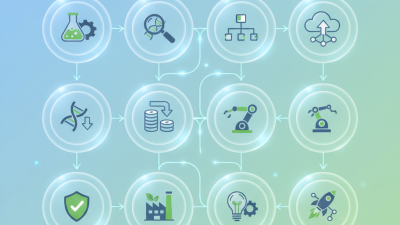
Implementing affinity ligand technology in bioprocessing can enhance efficiency significantly. Start with identifying suitable ligands that specifically bind to your target protein. This specificity is crucial for achieving the desired results. Understanding the characteristics of your target will guide your choice of ligands, ensuring higher yield and purity in your final product.
Evaluate various coupling methods for attaching ligands to your resin. Strategies like covalent bonding or passive adsorption can be employed. Each method has its pros and cons. It’s essential to experiment and assess which technique yields the best performance for your process.
In practice, optimization is key. Monitor binding conditions, such as pH and temperature, to maximize ligand-target interactions. Adjusting these variables can lead to improved results. Pay attention to any inconsistencies in binding and assess whether modifications in ligand density are necessary.
Consider your initial setup. Create a well-structured workflow to streamline the process. Implementing buffers effectively and ensuring the right flow rates can make a difference.
Always document your findings. This practice fosters better understanding and continuous improvement. Reflecting on your outcomes will help you refine your approach over time.
Case Studies of Successful Applications in Bioprocessing
Affinity ligand technology has proven effective in various bioprocessing applications, enhancing efficiency in protein purification and biocatalysis. One notable case involves a research team utilizing this technology for monoclonal antibody production. They reported a 30% increase in yield by implementing an affinity chromatography method that specifically targeted the desired antibodies. Such strategies exemplify how tailored ligands streamline separation processes, reducing time and costs significantly.
In another instance, a bioprocessing facility adopted affinity ligand technology to improve therapeutic protein development. By utilizing ligands that bind closely to specific target proteins, they decreased the purification steps required. This led to a reduced processing time by approximately 40%. Despite these gains, there remains a challenge in selecting the optimal ligands for diverse applications. The variability in ligand performance can lead to inconsistent results if not thoroughly validated.
Industry reports highlight that more than 50% of biopharmaceutical companies are exploring affinity ligand technologies. The data underscores a growing trend towards integrating advanced separation techniques. However, this field is ever-evolving, and practitioners must remain vigilant about the reliability of ligands used. Challenges in maintaining batch-to-batch consistency can impede overall progress. Addressing these concerns is crucial for maximizing the potential of affinity ligand technology in bioprocessing.